

Key Takeaway:
AI and risk management now sit at the centre of modern digital defence. Enterprises must understand how AI drives new threats and how it can strengthen detection, protection, and response.
AI and risk management converged throughout 2025, as artificial intelligence threatens businesses but also delivers the tools to fight back too. Enterprises around the world now face a rapidly expanding pool of AI driven threats. These threats move, adapt, and scale faster than traditional safeguards can manage.
Going forwards, this shift places new pressure on brand owners and digital teams. AI allows attackers to mimic communication styles, automate infrastructure, and produce convincing assets in seconds. To counteract these evolving threats, we need to consider artificial intelligence and risk management as a strategic priority, and that’s exactly what we’re doing in the guide below. In the mean time, you can also get a free AI risk audit for your business right here.

AI-powered attacks on global businesses
AI fundamentally reshaped the threat landscape. Criminal actors generate highly convincing phishing emails that adjust tone, structure and vocabulary for specific industries and geographies. They create fake ads and fraudulent Meta Ads that mirror genuine brand campaigns. Copywriting models produce text that aligns with a company’s authentic style, which challenges even trained teams to distinguish legitimate content from fabricated messaging.
Gen AI produces full-scale copycat websites that replicate brand architecture, colour palettes, imagery and tone. Criminal groups deploy automated domain generation, cloaking, and rapid hosting rotation to avoid detection. These websites collect credentials, redirect sales and cause sustained reputational damage. In this environment, businesses need AI and risk management to identify brand misuse across domains, DNS, hosting infrastructure and connected criminal networks.
Authorities and industries react to AI cyberthreats
Authorities now treat AI and risk management as a combined priority. Regulators across the US, EU, UK draft and implement more and more legislation on the topic, as AI driven attacks grow in speed and precision. Many sectors now face stricter reporting timelines, broader scoping and closer supervision, with regulators aiming to close the gap between modern threat patterns and organizational resilience.
For example, the EU’s NIS2 Directive sets binding cybersecurity requirements across a wide range of industries, with strict reporting obligations and meaningful penalties. Across regions, the direction stays consistent: regulators raise the baseline, industries adjust, and AI enabled threats accelerate the need for stronger, more integrated risk governance.
Industry behavior reflects the same shift, as organizations increasingly turn to cyber insurance to safeguard against attacks that seem inevitable. Many SMEs and enterprises already expect suppliers to hold robust cyber insurance coverage. That being said, insurance presents a fairly passive approach to oncoming threats. More ambitious organizations aim to tackle AI infringements head on.
Fighting fire with fire: Deploying AI and risk management
In the right hands, AI itself often delivers the best solution to the very same threats it poses. Scammers use AI to inundate organizations with fake ads and generated websites, but smart scrapers deliver the tools to detect and mitigate them at scale. Identity first protection provides a foundation because it maps every digital signal back to one authoritative brand identity. This approach allows teams to recognize legitimate assets, detect impersonations, and resolve anomalies at speed.
AI-driven image and logo recognition identify visual misuse and detect deepfake risks. Automated analysis uncovers phishing kits, credential harvesters, botnet activity and SSL clustering. Marketplace scanning reveals counterfeit listings, forming a key tenet of AI and risk management. Monitoring across Facebook, Instagram, TikTok, LinkedIn, X, Threads, VK, BlueSky and major ad networks highlights AI generated scams and spoofed promotions. When combined with intelligence about domains, hosting, stealer logs and Telegram chatter, this creates a complete picture of the threat environment.
Implementing AI in a unified defence strategy
Enterprises need more than isolated tools. They need unified workflows that connect cyber security, legal, brand, marketing, IT, ecommerce and fraud teams. Central dashboards and shared intelligence shorten response cycles and improve consistency across the organisation. Full European governance offers assurance for regulated industries and keeps compliance expectations at the forefront.
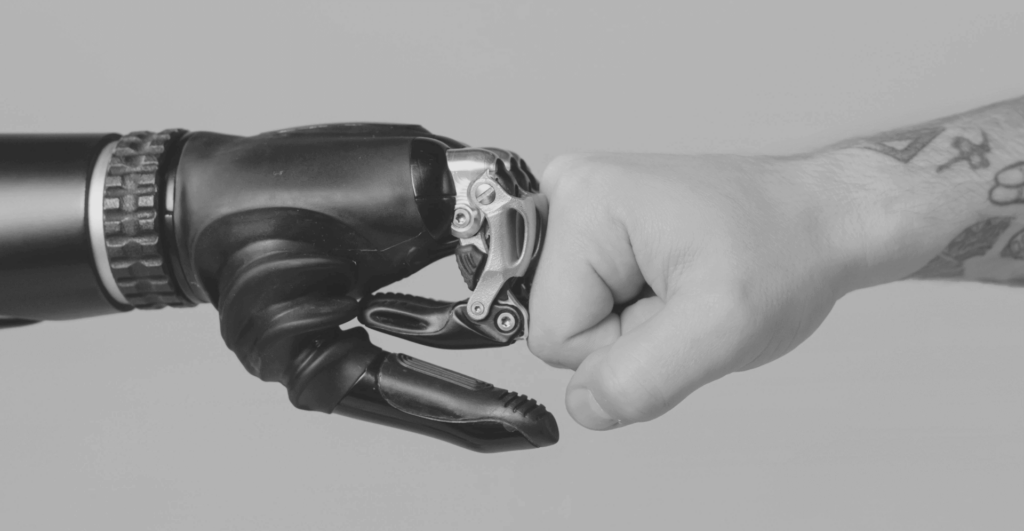
Embedding artificial intelligence and risk management into a single defensive ecosystem allows enterprises to intercept emerging threats, improve response velocity and maintain visibility across the entire brand surface.
AI evolves continuously, and so do the related threats. Criminals increase automation, personalize deception and expand into new channels. Businesses need AI powered digital risk protection to match that pace. This includes identity anchored intelligence, behavioural modelling, cross channel correlation and real time threat interception. The integration of AI into defensive operations is no longer optional. It is a requirement for long term resilience.
Conclusions: Your AI and risk management strategy
Artificial intelligence and risk management define the next chapter of brand protection and risk protection online. Attackers already use AI to impersonate brands, deceive customers and hide fraudulent infrastructure. Enterprises that adopt AI-driven intelligence and unify their defensive posture will lead the way in 2026. To support this shift, EBRAND offers a free brand audit to assess your exposure to AI-powered threats and provide clear recommendations for improvement.